Why I’m Taking Bone Health Seriously at 52 (includes free exercise tracker)
I have osteopenia. And I’m not alone — roughly two-thirds of Australians over 50 have osteopenia or osteoporosis.
Osteopenia is an early warning sign that bones are weakening, which can lead to osteoporosis. Osteoporosis greatly increases the risk of very painful bone fractures. (Believe me, I’ve broken a few bones in my life, and besides the initial pain, they take a long time to recover from.)
I’m actually kind of lucky that I know about the osteopenia, because most Australians don’t get bone density testing until they are 70. I’ve already had two bone density tests at age 52 because I have two risk factors: early menopause and hyperthyroidism. The gift of early detection is that I can start making lifestyle adjustments now.
But I recommend you read the second line of this blog post again: roughly two-thirds of Australians over 50 have osteopenia or osteoporosis.
There’s a good chance that if you are over 50, your bones are weakening. And it’s not like you can feel it. You may not even know until you experience a painful fracture, so it’s important to start taking care of your bones now.
Exercise Isn’t Just About Appearance
Last night in my boxing class, we were talking about how many punches you’d have to do in a day to get rid of the underarm jiggle most of us also have. (Answer: probably infinity… our muscle tone also declines as we age.)
I said, “We should exercise mostly because of the endorphin rush, rather than how it makes our bodies look.”
But another important reason we should exercise is because of our bones.
Exercise — along with targeted nutrition, giving up smoking, reducing caffeine, and limiting alcohol — is one of the best ways to maintain healthy bones.
You can slow bone density loss and even partially reverse what has already been lost through progressive resistance training, like lifting weights or using resistance bands.
It’s also important to incorporate balance training, and yoga is wonderful for this. It helps prevent falls by increasing stability. Walking or jogging also plays a part in bone health.
What an Ideal Week Might Look Like
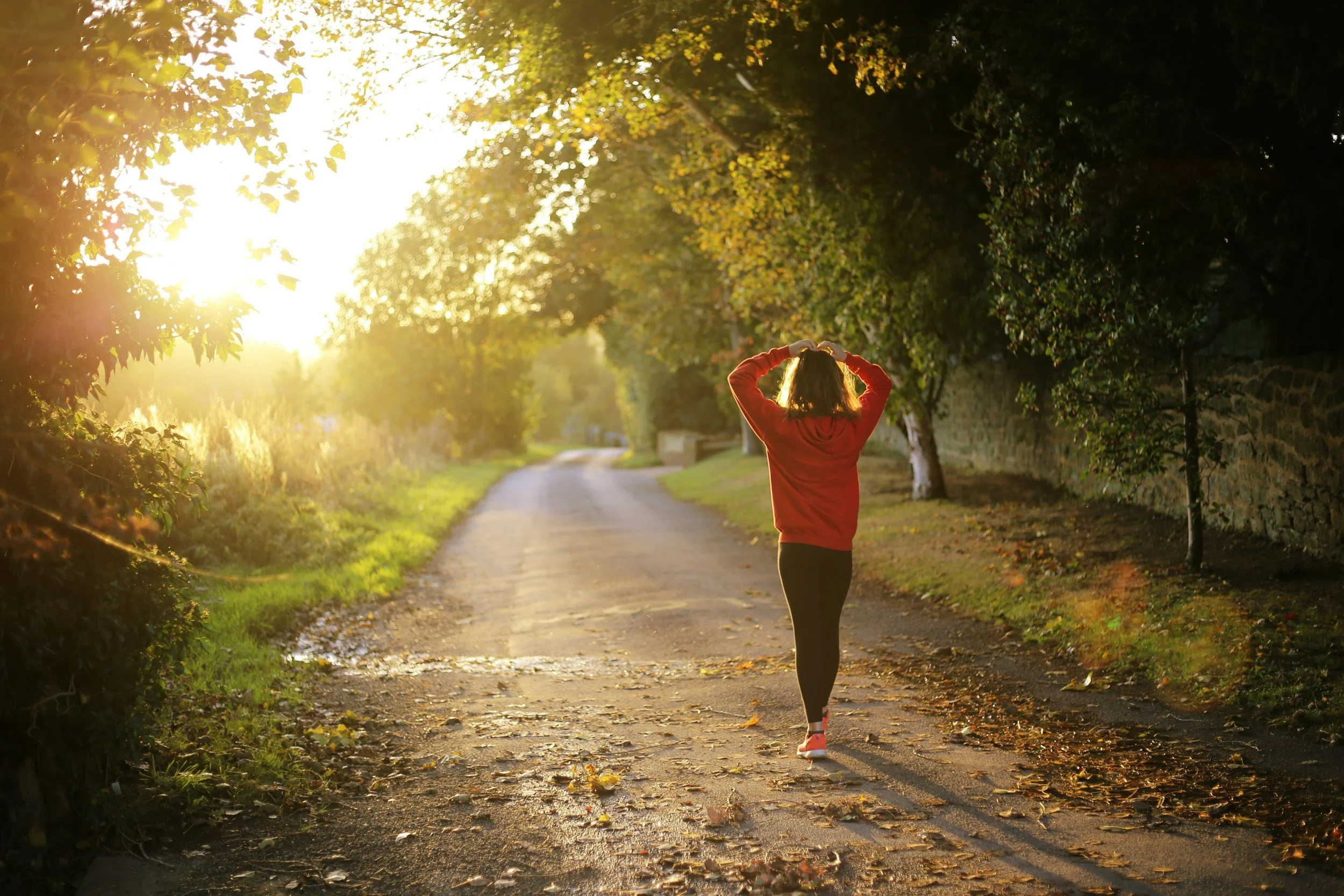
Here’s how an ideal week could look for a woman in her 50s:
1 x walk
1 x yoga class
1 x boxing class (or another cardio workout)
2 x home or gym strength sessions (15 minutes each)
1 x rest day
The Simple Bone Health Habit I’m Adding
And if all of that feels overwhelming, make sure to incorporate heel drops into your routine.
Heel drops create an impact force of roughly 2.5 to 3 times your body weight, and that force travels from your feet all the way up to your lower spine. The sudden sharp pressure essentially wakes up your bone-building cells and encourages bone density improvements.
Some experts suggest 60 heel drops a day may provide a similar bone-loading impact to walking or boxing. (although it won’t replace dedicated strength training).
Try:
20 in the morning while brushing your teeth
20 at night while brushing your teeth
20 while waiting for the kettle to boil during the day
How to Do Heel Drops
Rise smoothly up onto the balls of your feet
Then drop down heavily onto your heels — you might feel the floor shake a bit, and that’s good!
Keep your knees soft throughout
Safety Note
Because of the force these place on the body, heel drops aren’t suitable for everyone.
Please avoid them if you:
have severe osteoporosis
have had spinal fractures
have severe arthritis
have active foot injuries such as plantar fasciitis
And if you haven’t done impact exercise in a while, it’s a good idea to consult your GP or an Accredited Exercise Physiologist before trying them.
So, how are you going to incorporate bone-density-loving exercise into your routine? Tell me in the comments below.
Download a free monthly exercise tracker by clicking here.